Apple unveils the iPhone Duo and marks a new era under CEO John Ternus at the September 2026 launch event


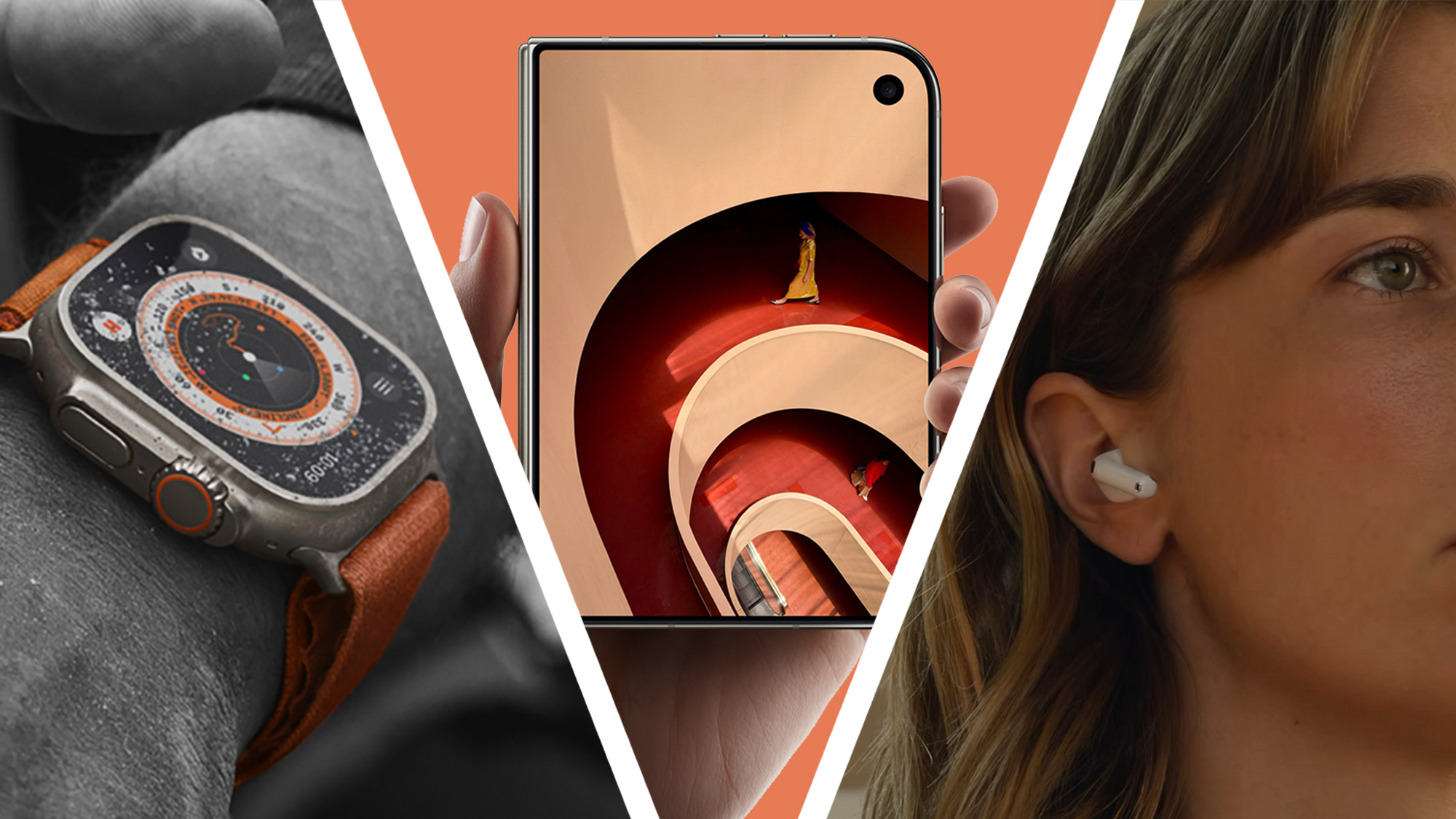
In a pivotal moment for the technology industry, Apple held its September 2026 product showcase, marking the first major keynote presided over by new CEO John Ternus. The 78-minute presentation, held at the Steve Jobs Theater, served as a symbolic passing of the torch from long-time leader Tim Cook, while simultaneously signaling a radical shift in Apple’s hardware strategy. The headline announcement was the debut of the company’s first-ever foldable smartphone, the iPhone Duo, alongside the powerhouse iPhone 18 Pro and Pro Max, next-generation wearables, and significant updates to the iOS ecosystem.
The event, which industry analysts have labeled "Surprise and Shine," focused on balancing evolutionary hardware upgrades with the company’s aggressive push into artificial intelligence. By introducing the A20 Pro chipset and deep-integrating AI features into the core of its mobile operating system, Apple is attempting to solidify its position against intensifying competition from Samsung and Google, both of whom have held a head start in the foldable and AI-integrated smartphone markets.
The iPhone Duo: A New Form Factor Strategy
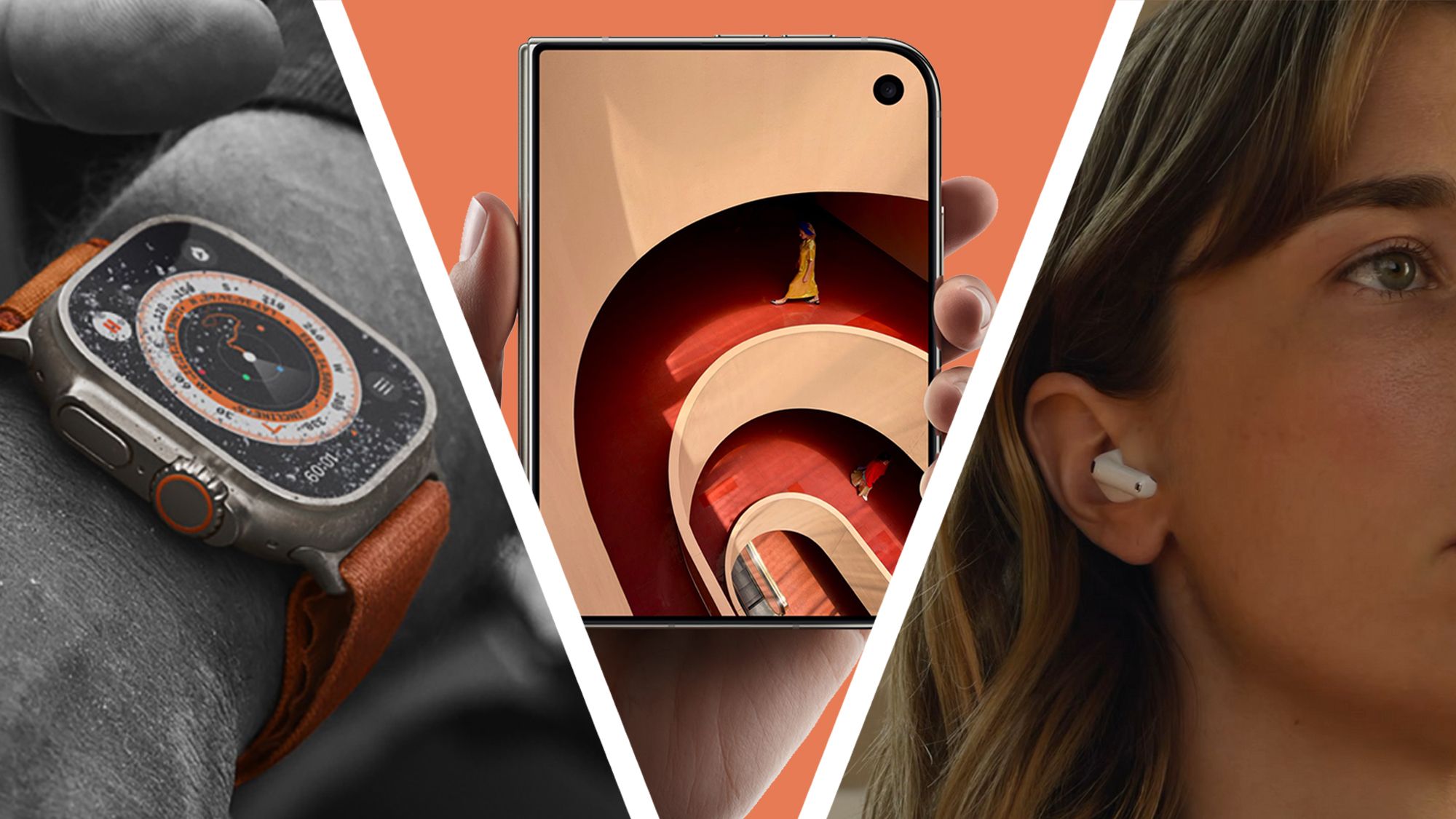
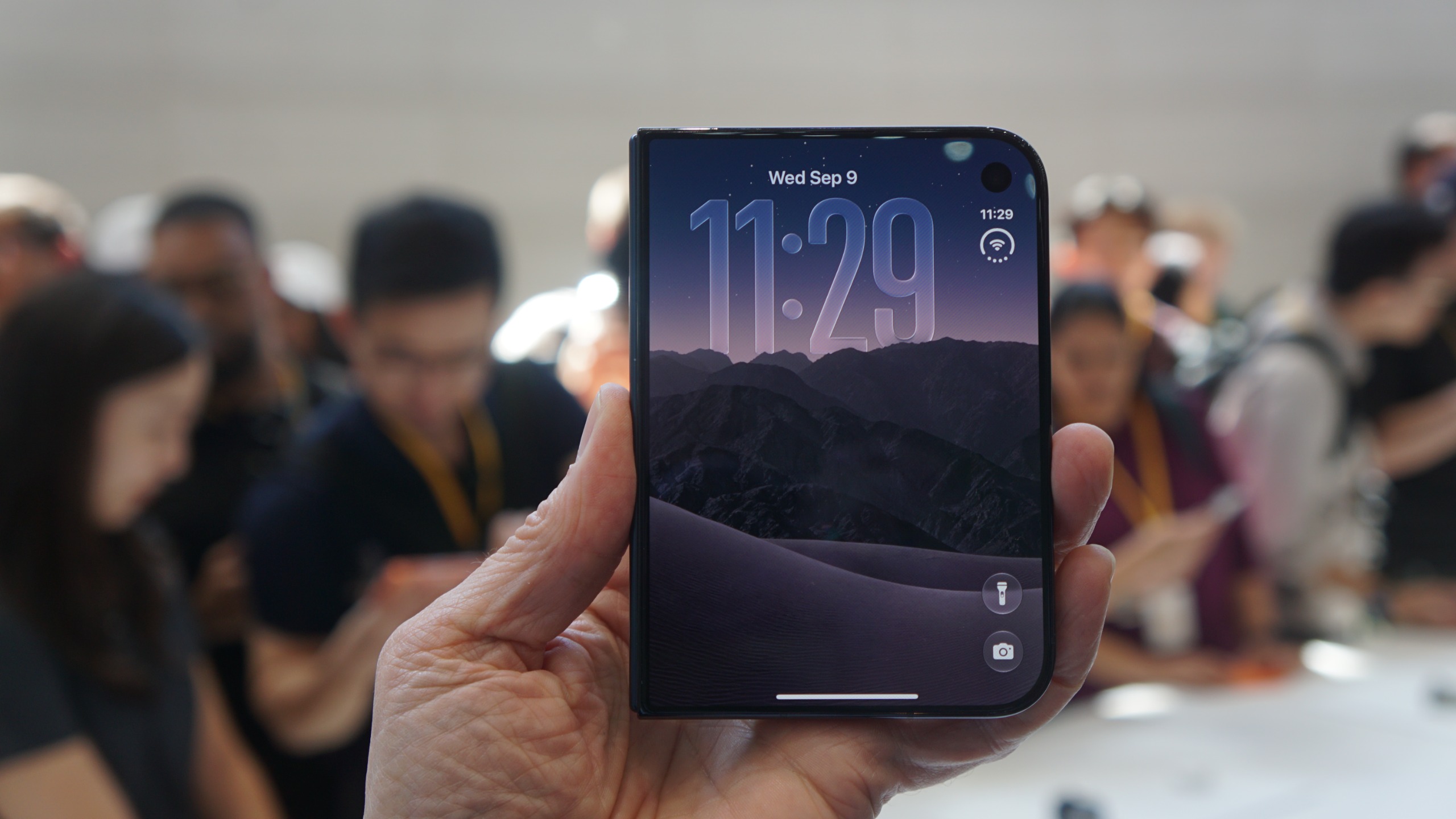
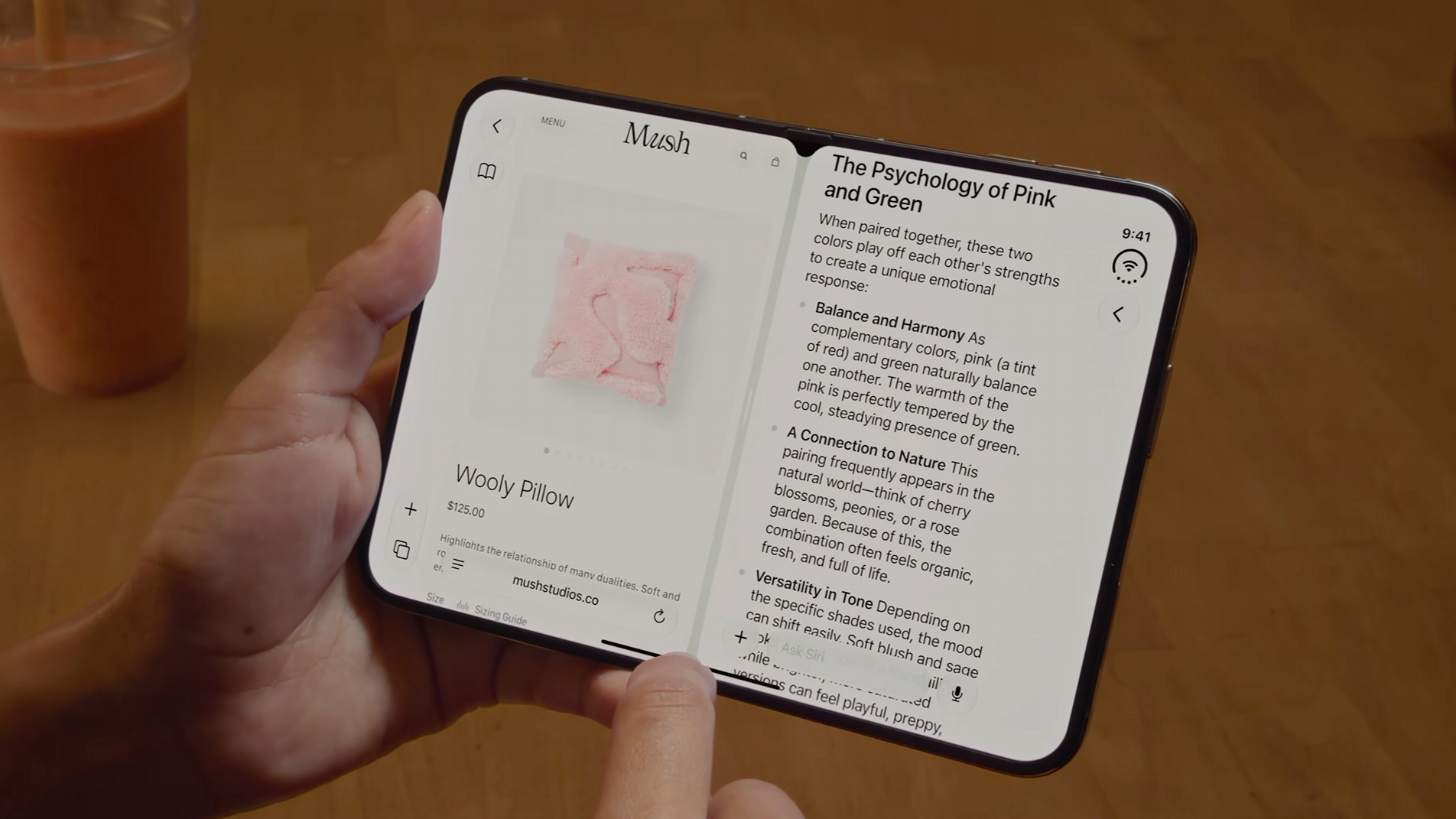
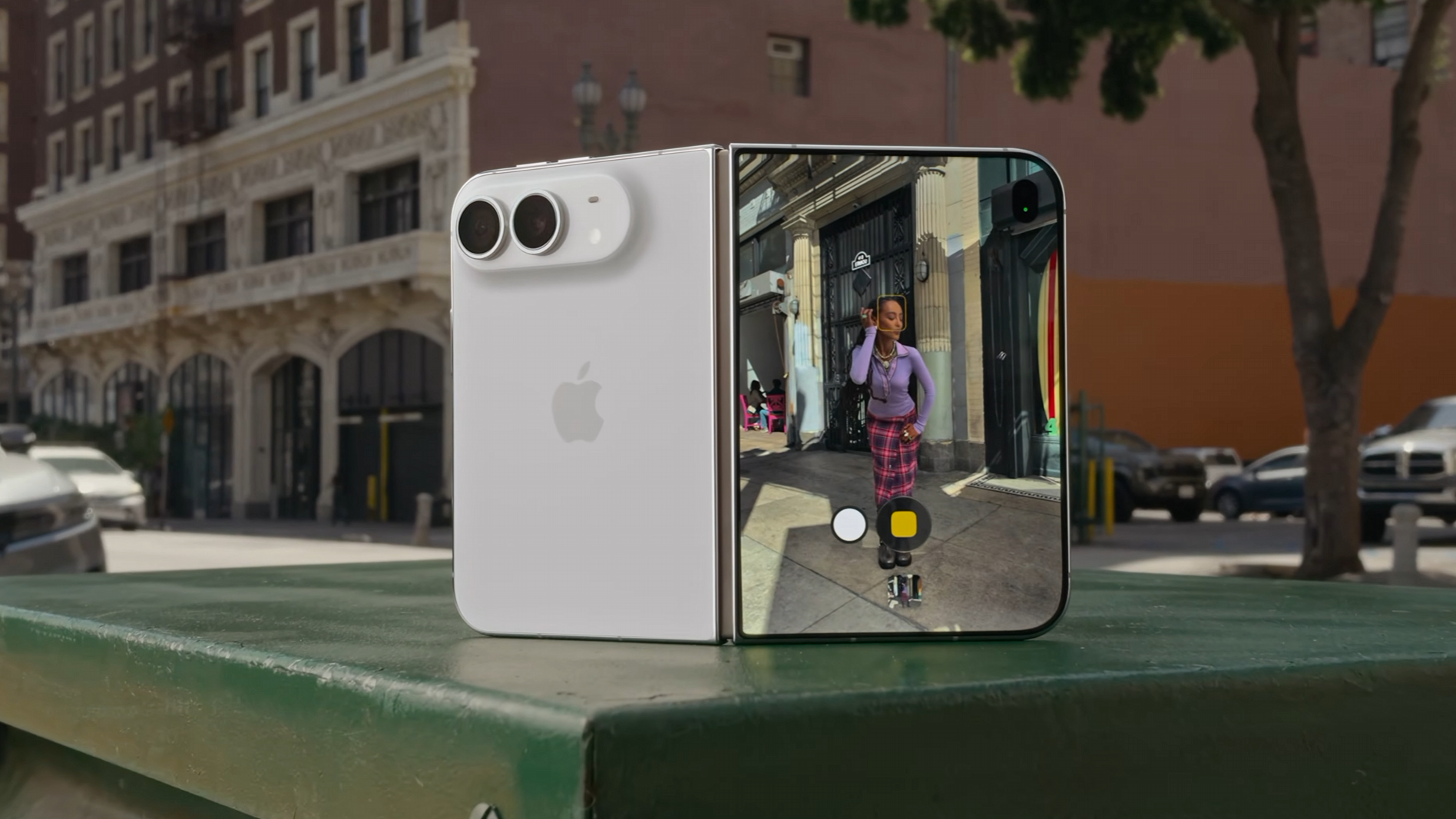
The most significant reveal was the iPhone Duo, Apple’s long-anticipated answer to the "passport-style" foldable category. Featuring a 7.6-inch primary internal display, the device mirrors the form factor popularized by the Samsung Galaxy Z Fold 8 and the Google Pixel 11 Pro Fold. Priced at a premium entry point of $1,999, the device is positioned as a productivity powerhouse rather than a consumer-grade daily driver.
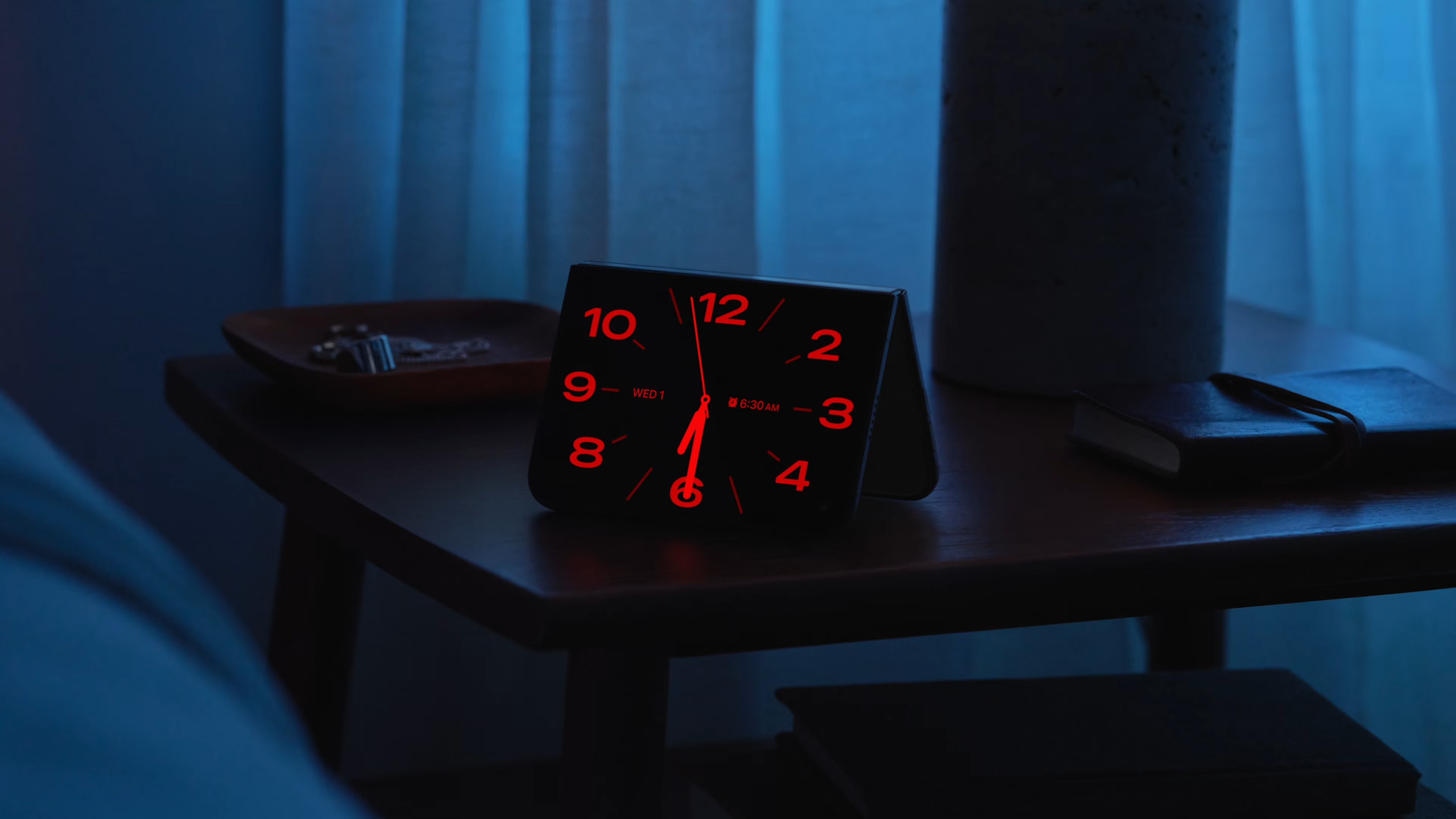
Apple’s implementation of the foldable design prioritizes "visual continuity." By ensuring that both the 5.4-inch external cover screen and the internal display maintain a 1:1.4 aspect ratio, the company aims to eliminate the jarring transition often experienced when switching between closed and open modes. Furthermore, the inclusion of Apple Pencil support for the first time on an iPhone handset represents a significant shift in the company’s philosophy. While there is no dedicated storage silo for the stylus—a feature found in the Samsung Galaxy S26 Ultra—the integration allows for precise navigation and creative input on the large-format display.
Power and Performance: The A20 Pro and Camera Evolution
Complementing the foldable debut were the iPhone 18 Pro and iPhone 18 Pro Max. These devices serve as the technological benchmarks for the current product cycle, powered by the new A20 Pro chipset. Manufactured using an advanced lithography process, the A20 Pro features a 6-core CPU and a 7-core GPU, supported by a dual 16-core Neural Engine architecture designed specifically to handle heavy-duty generative AI workloads.
Performance metrics shared by Apple suggest a 40% improvement in sustained performance compared to the iPhone 17 Pro. The inclusion of an upgraded vapor chamber thermal management system suggests that Apple is catering to professional users who demand high performance for extended periods, such as those engaged in mobile video editing or complex 3D rendering.
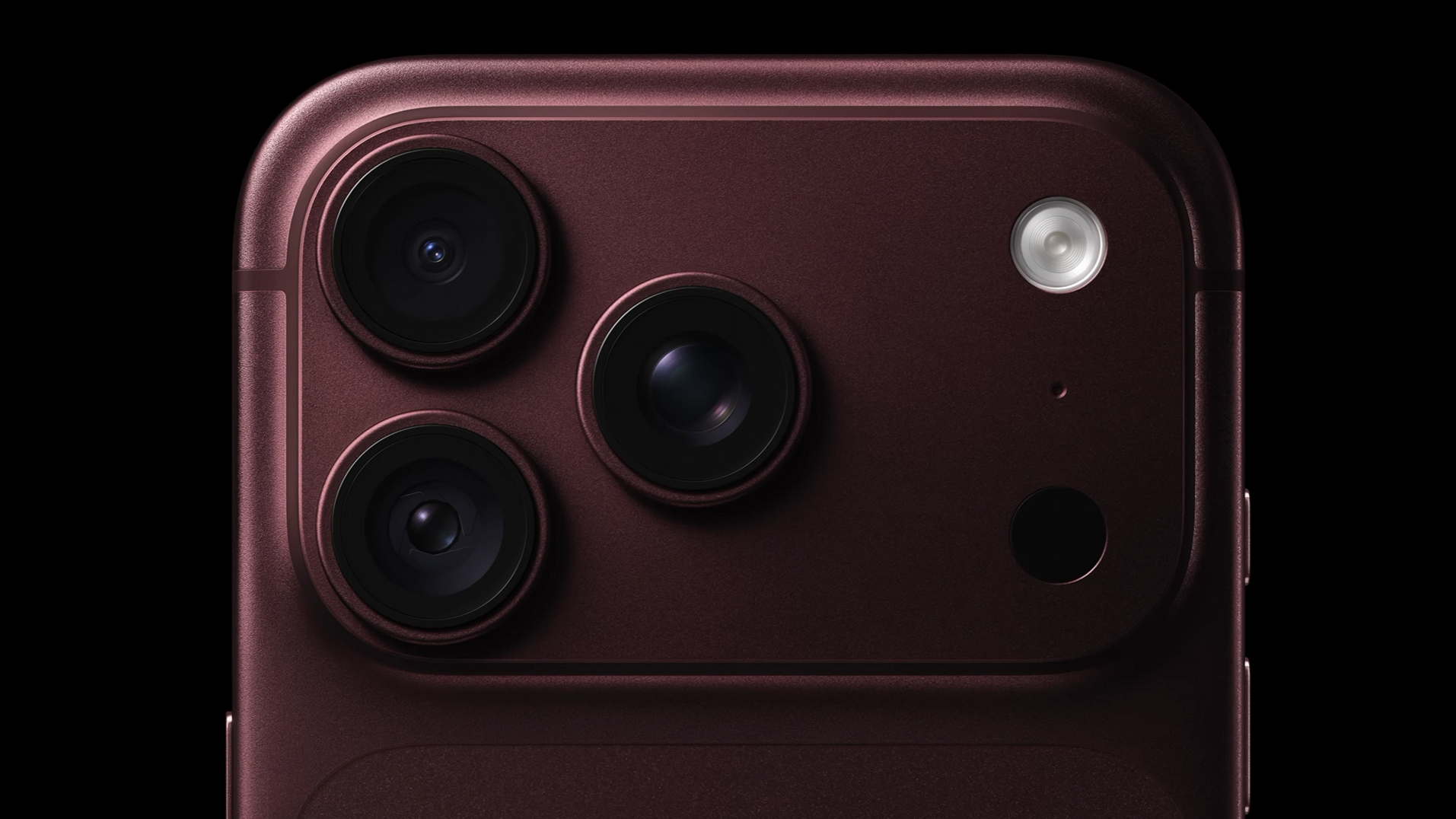
Camera technology also saw a significant overhaul. The 48MP main sensor now includes a variable aperture, a first for the iPhone line, granting users granular control over depth-of-field and light intake. This hardware improvement is paired with a new "computational imaging pipeline," which Apple claims will reduce noise and improve color accuracy in challenging, low-light environments.
Battery Life and Efficiency
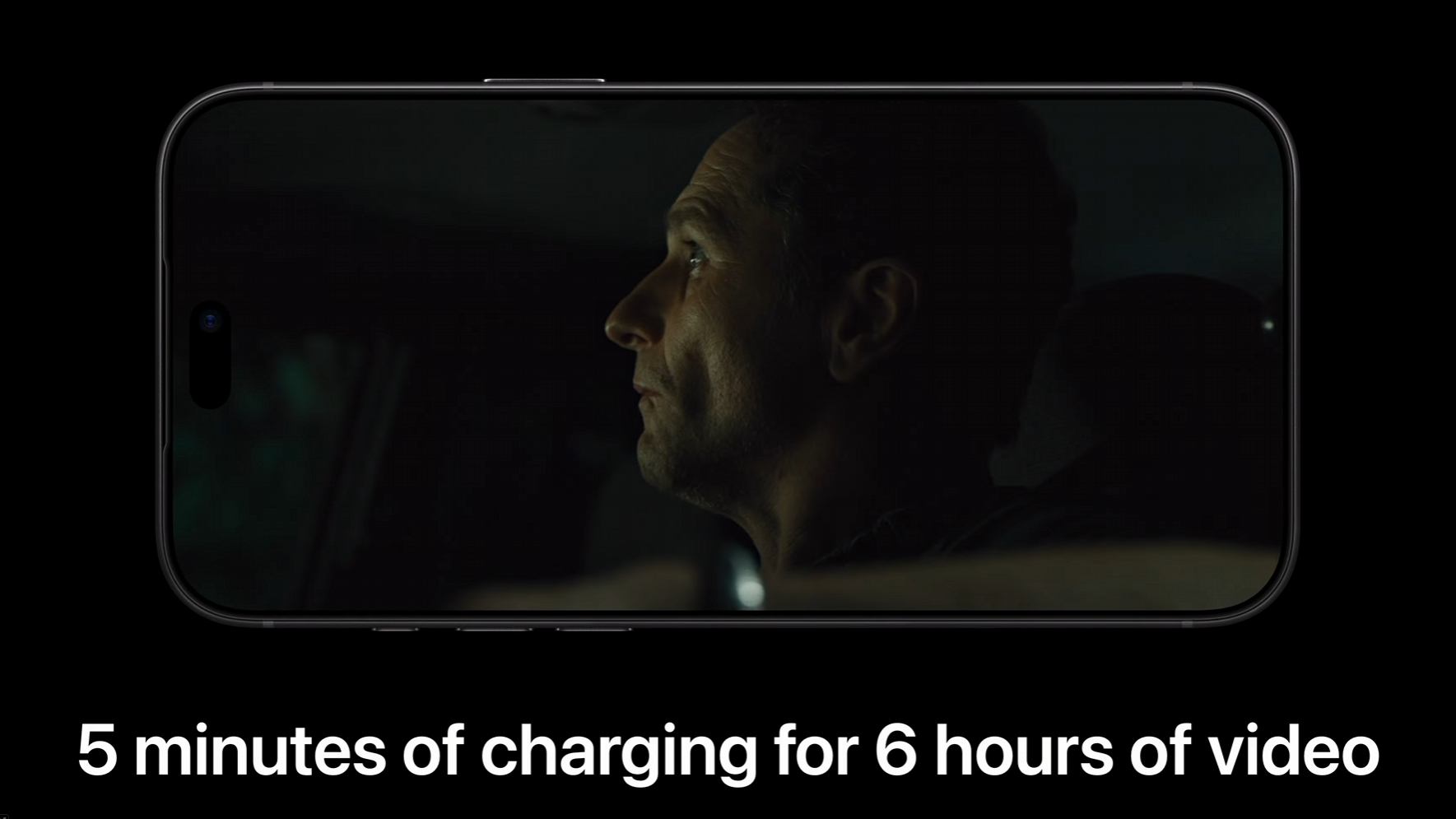
The iPhone 18 Pro Max has set a new record for battery longevity within the Apple ecosystem. With up to 45 hours of video playback on the eSIM-only variant, the device represents a substantial leap in power management. This efficiency gain is attributed to the tighter integration between the A20 Pro’s power-efficient cores and the optimized iOS 27 kernel. For the standard iPhone 18 Pro, users can expect up to 36 hours of video playback, a notable improvement that addresses one of the most consistent consumer demands in the smartphone market.
Wearables and Health Sensing: The Watch Series 12 and Ultra 4
Apple’s commitment to health monitoring continues with the introduction of the Apple Watch 12 and the Apple Watch Ultra 4. The company has introduced what it calls the "Health Sensing System," utilizing high-frequency heart rate and heart rate variability (HRV) sensors to provide more granular fitness data.
Controversially, the event also introduced "Siri Recap," an audio-based feature that monitors ambient conversations to provide user-accessible summaries of daily interactions. While Apple was quick to clarify that this processing occurs locally on the device in real-time and that no audio is recorded or stored, privacy advocates have already raised concerns regarding the implications of an "always-on" listening feature. The company emphasized that no data—not even metadata—is accessible by Apple, reinforcing its stance on end-to-end user privacy.
The Ecosystem Shift: iOS 27 and AirPods 5
The launch of iOS 27 on September 14 serves as the glue for these disparate hardware updates. The operating system’s primary focus is the integration of a vastly more capable Siri, which now functions similarly to large language models (LLMs) like ChatGPT or Gemini. Users can now expect the assistant to interface directly with third-party applications, summarize complex documents, and manage multi-step tasks across the device.
In the audio category, the new base AirPods 5 now feature Active Noise Cancellation (ANC), a trickle-down feature that was previously reserved for the "Pro" line. By utilizing advanced algorithms and revised earbud geometry, Apple claims these devices offer 50% more effective noise cancellation than their predecessors, effectively commoditizing high-end audio features for the mass market.
Economic Context and Market Strategy
Despite the inclusion of high-end technology, Apple’s pricing strategy suggests a cautious approach to the current macroeconomic climate. While the iPhone 18 Pro and Pro Max saw a $100 price increase, likely reflecting the high costs of R&D and the industry-wide memory shortage, the company kept the pricing of its new watches consistent with the previous generation. The AirPods 5 were even introduced at a lower price point than the AirPods 4, signaling an effort to maintain market share in the highly competitive wearables sector.
The noticeable absence of a new Apple TV 4K model, despite rumors and references in software code, suggests that Apple may be staggering its product release schedule. By pushing the base model iPhone 18 to a potential March 2027 release alongside the iPhone Air 2 and iPhone 18e, the company appears to be attempting to normalize its revenue streams throughout the calendar year rather than relying heavily on a singular September "mega-event."
Implications and Future Outlook
John Ternus’s first event has clearly defined the trajectory of Apple’s next three years: hardware convergence, AI-first software, and a move toward service-led ecosystem loyalty. The transition to a foldable form factor indicates that Apple is no longer content to observe emerging trends from the sidelines, but is now willing to iterate on established concepts with its own premium flair.
However, the road ahead is not without challenges. The success of the iPhone Duo will depend heavily on the maturity of its software ecosystem—specifically, how well developers optimize their apps for the foldable interface. Furthermore, the company must continue to navigate the thin line between providing useful, AI-driven convenience and maintaining the high standard of user privacy that has become a cornerstone of the Apple brand.
As the industry digests these announcements, the focus now shifts to the real-world performance of the A20 Pro and the public reception of the controversial Siri Recap feature. With the official rollout of iOS 27 just days away, the global tech community will soon have the opportunity to test whether Apple’s latest innovations truly represent a "leap forward" or simply a refined polish of existing market trends. For now, the "Surprise and Shine" event has successfully demonstrated that under new leadership, Apple remains as capable of moving the needle as it has ever been.